

Does your child frequently experience a blocked nose, sneezing, an itchy nose, runny nose, mouth breathing, or poor sleep because of allergies? These are common symptoms of allergic rhinitis, a condition in which the immune system overreacts to allergens in the environment. In Malaysia, one of the most common triggers is the house dust mite.
While medications such as antihistamines and nasal steroid sprays help to control symptoms, they do not address the underlying allergy. For suitable patients, allergen immunotherapy offers a treatment that targets the root cause of the problem.
What Is Allergic Rhinitis?
Allergic rhinitis occurs when the body’s immune system mistakenly identifies harmless substances as threats. Exposure to allergens can trigger symptoms such as:
- Frequent sneezing
- Runny nose
- Nasal blockage or congestion
- Itchy nose or throat
- Mouth breathing
- Snoring or disturbed sleep
- Reduced concentration and daytime tiredness
When symptoms persist despite conventional treatment or significantly affect a child’s quality of life, immunotherapy may be considered.
What Is Sublingual Immunotherapy (SLIT)?
Sublingual immunotherapy (SLIT) is a treatment that involves placing a small amount of the allergen under the tongue every day. Over time, the immune system becomes less sensitive to the allergen, reducing allergic reactions and improving symptoms.
Unlike allergy medications that provide temporary relief, SLIT aims to modify the natural course of allergic disease, offering the potential for long-term improvement even after treatment has been completed.
Is Allergy Testing Necessary?
Available Sublingual Immunotherapy Options
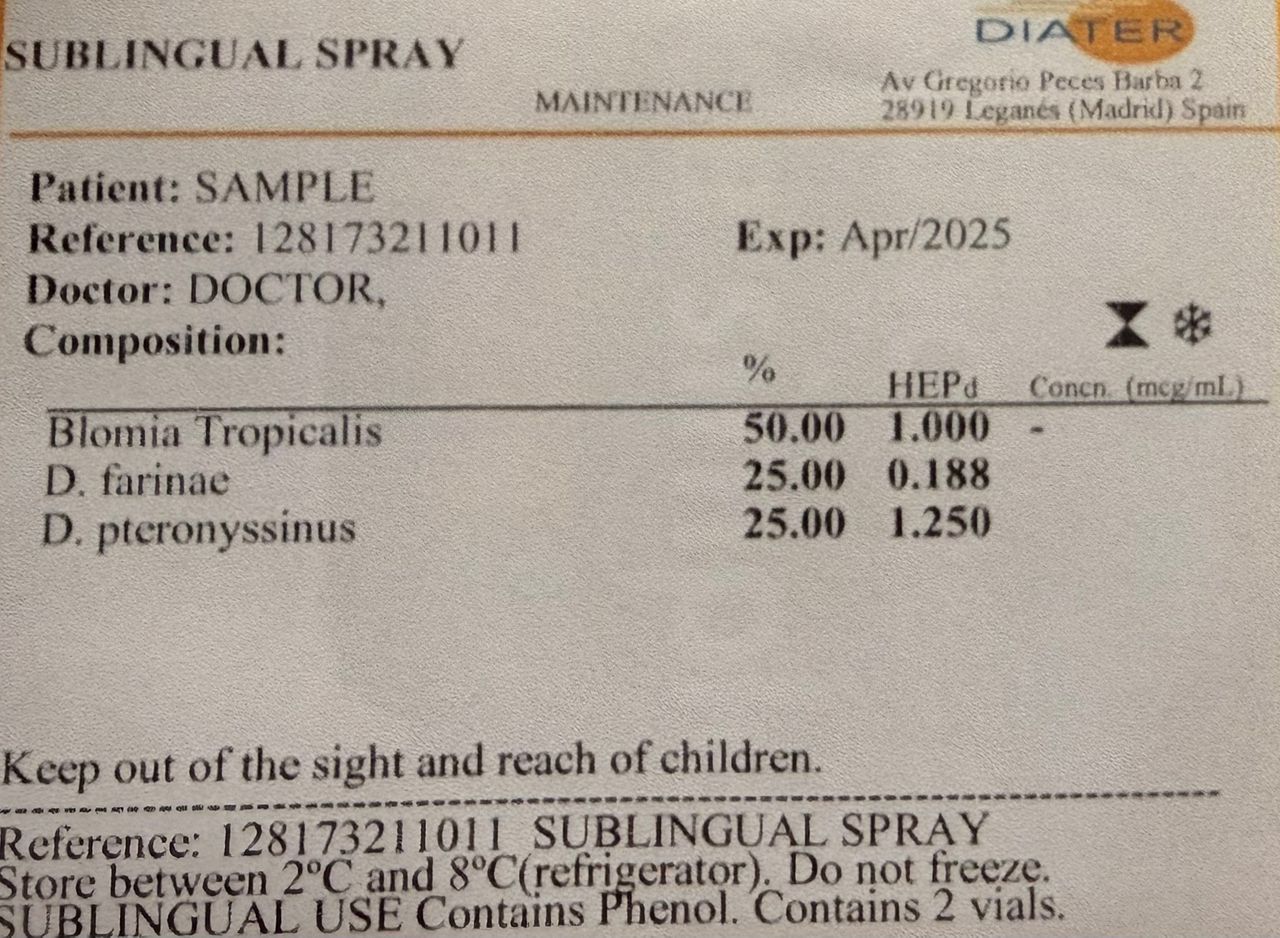
DIATER® Sublingual Immunotherapy
Diater DIATER provides personalised sublingual immunotherapy based on your child’s allergy profile. It can target specific allergens identified through allergy testing, including house dust mites and selected environmental allergens.
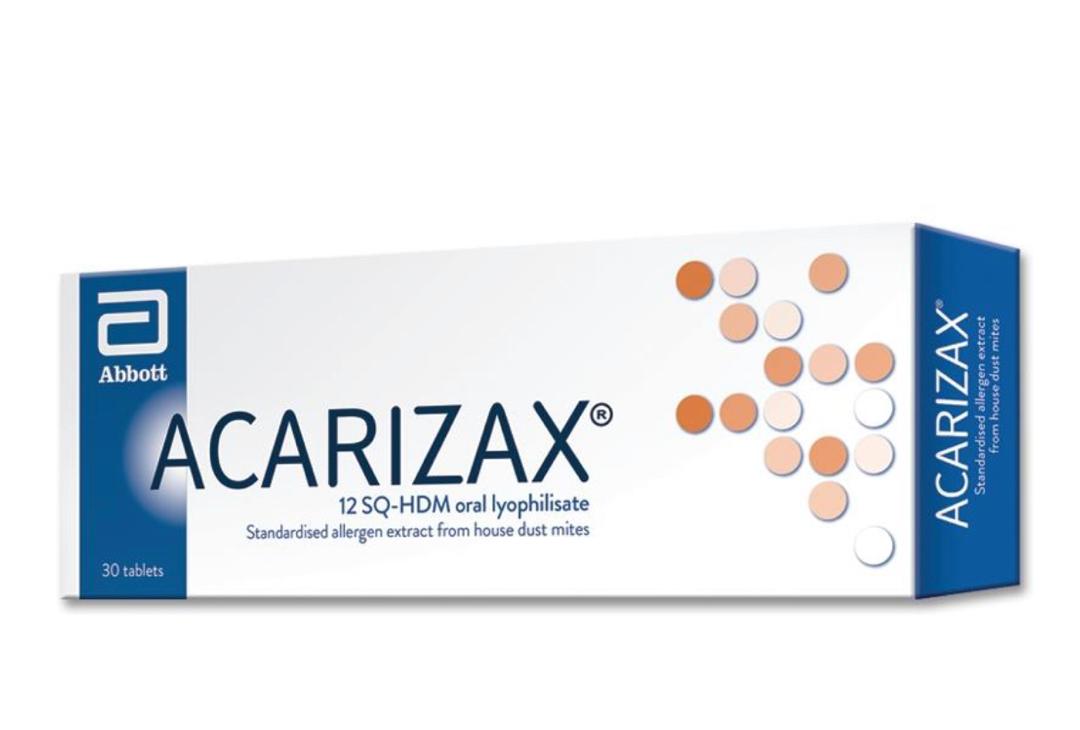
Acarizax
Acarizax is a once-daily tablet specifically designed for patients with house dust mite allergic rhinitis. The tablet dissolves under the tongue and is taken at home after the initial supervised dose prescribed by your doctor.
How Long Does Treatment Last?
Immunotherapy is a long-term commitment, but it offers benefits beyond temporary symptom control.
- Treatment is usually taken daily for 3 years.
- Many children begin to notice improvement within 3 to 6 months of starting therapy.
- Completing the recommended 3-year course provides the best chance of achieving sustained symptom relief, even after treatment has ended.
- Regular follow-up appointments are important to monitor progress and ensure the treatment remains effective and well tolerated.
Consistency is key. Completing the full course gives the immune system the opportunity to develop lasting tolerance to the allergen.
Who May Benefit from Immunotherapy?
Children who have:
- Persistent or moderate-to-severe allergic rhinitis
- Symptoms that are not adequately controlled with medications
- Significant disruption to sleep, school performance, or daily activities
- Confirmed allergen sensitisation on IgE testing
- A desire to reduce long-term reliance on allergy medications
What Are the Benefits?
Immunotherapy may help to:
- Address the underlying cause of allergy
- Reduce sneezing, runny nose, and nasal blockage
- Decrease dependence on allergy medications
- Improve sleep quality and daytime functioning
- Enhance concentration and participation in daily activities
- Potentially reduce the risk of developing asthma in some children
- Provide long-lasting benefits after completion of treatment
Is It Safe?
Sublingual immunotherapy is generally well tolerated in children.
Some children may experience mild side effects during the early stages of treatment, including:
- Itching or tingling in the mouth
- Mild throat irritation
- Temporary discomfort under the tongue
These symptoms are usually mild and improve with continued treatment. Serious allergic reactions are uncommon, and therapy should always be prescribed and monitored by a qualified healthcare professional.
Early Diagnosis, Better Control
If your child has ongoing symptoms of allergic rhinitis despite medications, speak to your ENT specialist about whether allergen-specific IgE testing and sublingual immunotherapy with DIATER® or Acarizax® may be suitable treatment options.
By treating the allergy at its source, immunotherapy can help children breathe better, sleep better, and enjoy childhood with fewer limitations from allergies.
Disclaimer: This information is intended for educational purposes only and does not replace a medical consultation. The suitability of immunotherapy varies between individuals and should be determined after a thorough assessment by your doctor.